
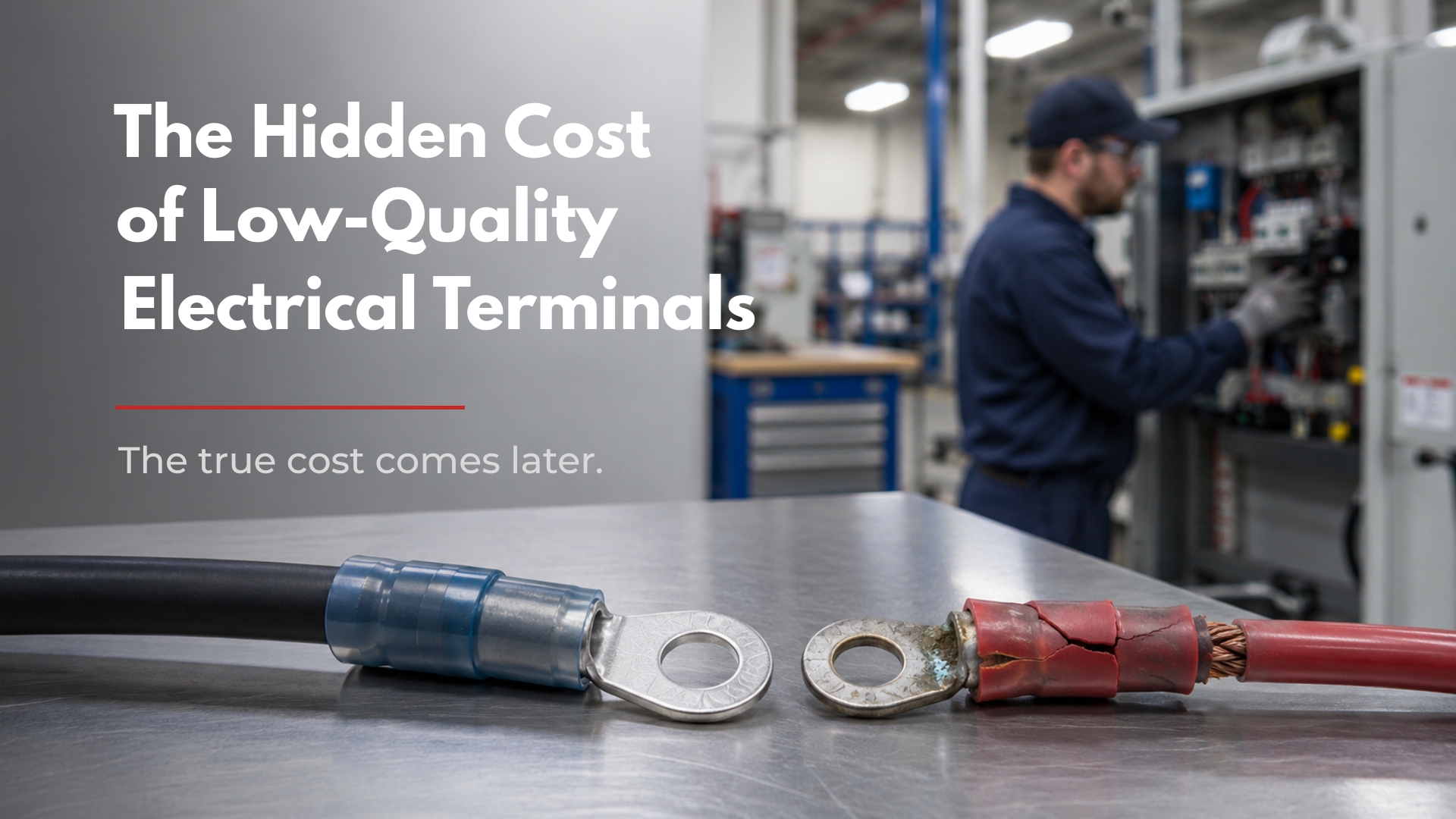
The true cost isn't measured at the checkout counter; it's measured after installation.
When purchasing electrical terminals, it's easy to focus on the price tag. After all, a ring terminal, butt connector, or spade terminal may only cost a few cents more than a lower-priced alternative. On paper, the savings can seem insignificant, or even like a smart purchasing decision.
The true cost, however, isn't what you pay at the time of purchase. It's what happens after the terminal is installaed.
A low-quality electrical terminal can create problems that aren't immediately visible. Increased electrical resistance, loose crimps, corrosion, moisture intrusion, and vibration-related failures often develop gradually over time. What began as a small cost-saving decision can eventually result in intermittent electrical issues, equipment downtime, unnecessary troubleshooting, replacement parts, or even complete system failure.
In industrial facilities, fleet maintenance shops, manufacturing opertations, and commercial vehicles, these hidden costs add up quickly. Every hour spent diagnosing a failed connection, is time that technicians aren't completing preventative maintenance or keeping equipment in service. In many cases, the labor required to locate and repair a failed terminal costs far more than the difference between a premium connector and a lower-quality alternative.
Understanding why electrical terminals fail is the first step toward preventing these costly issues. While many connectors may look nearly identical on the outside, the materials, construction, and manufacturing quality beneath the insulation can have a significant impact on their long-term performance.
Let's take a closer look at what separates quality electrical terminals from lower-cost alternatives, and why not all electrical connectors are built the same.
Not All Electrical Connectors Are Built the Same
At first glance, many electrical terminals appear nearly identical. A ring terminal from one manufacturer may look almost the same as another sitting beside it on the shelf. The same is true for butt connectors, spade terminals, and quick disconnects. If they share the same size, color, and wire gauge, it's easy to assume they'll perform the same once installed.
The reality is that appearance tells only part of the story.
The long-term performance of an electrical terminal depends on much more than its shape. Factors such as the quality of the metal, the thickness of the crimp barrel, the type of insulation, the protective plating, and the manufacturing tolerances all influence how well a connection performs under real-world conditions. These differences may not be noticeable during installation, but they often become apparent after months or years of exposure to vibration, moisture, temperature changes, and electrical load.
Quality electrical terminals are engineered to create secure mechanical and electrical connections that remain reliable throughout the life of the equipment. Lower-quality alternatives may initially perform the same but are more likely to loosen, corrode, overheat, or fail prematurely when exposed to demanding environments.
Selecting the right terminal starts with understanding the most common types of electrical connectors and where each one performs best.
Heat Shrink Terminals
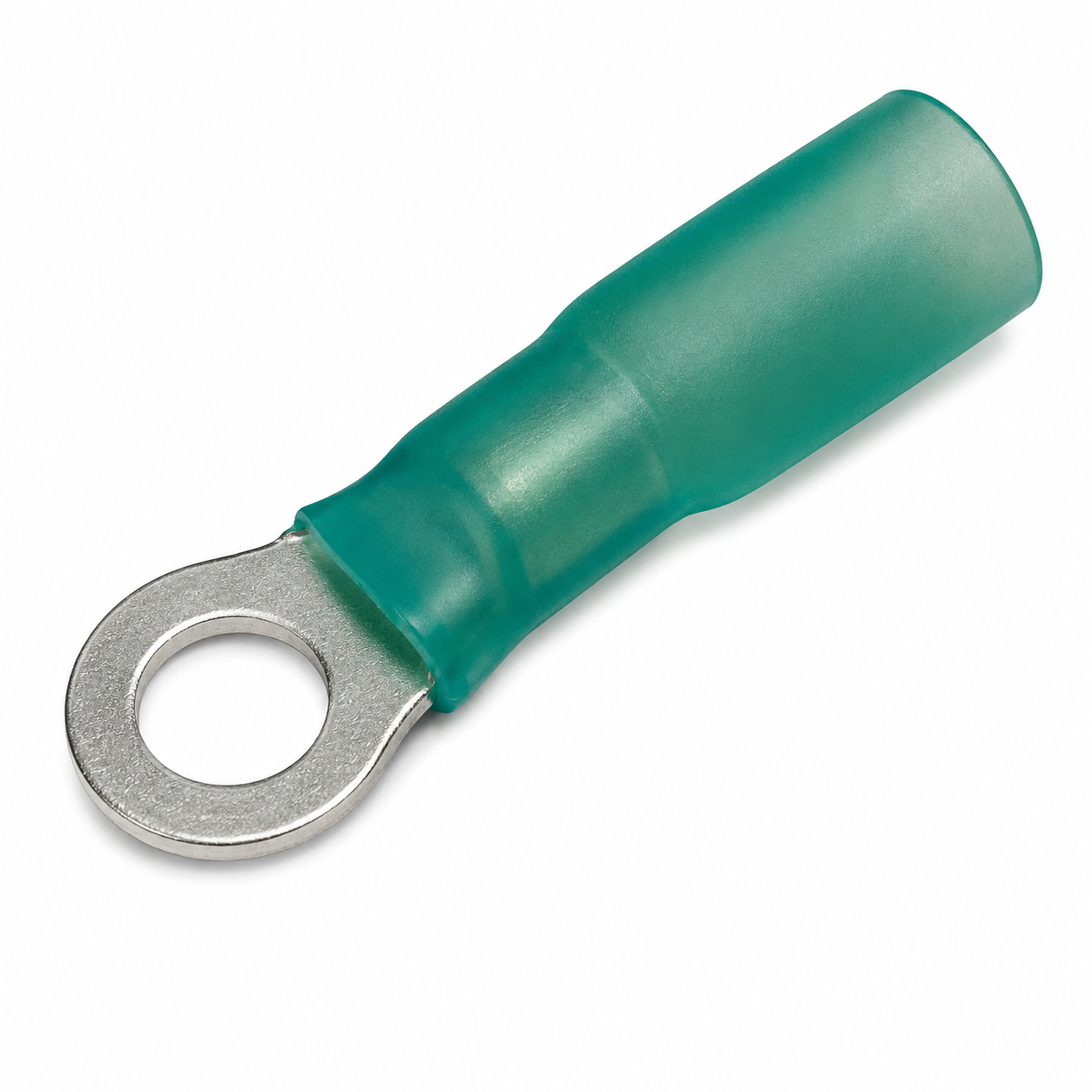
Heat shrink terminals provide the highest level of environmental protection by combining a crimped electrical connection with adhesive-lined heat shrink tubing. When heated, the tubing shrinks tightly around the wire insulation while the internal adhesive forms a seal that helps keep out moisture, dirt, road salt, chemicals, and other contaminants.
This additional protection makes heat shrink terminals an excellent choice for applications exposed to harsh environments, including fleet vehicles, trailers, marine equipment, agricultural machinery, heavy equipment, and outdoor electrical systems. In these conditions, preventing moisture intrusion is often the key to extending the life of the electrical connection.
 |  |  |
Key Takeaway: Heat shrink terminals help protect electrical connections from the environmental conditions that commonly lead to corrosion and premature failure.
Insulated Terminals
Insulated terminals feature a molded vinyl or nylon sleeve surrounding the crimp barrel. The insulation helps reduce the risk of accidental contact with energized conductors while also providing basic strain relief during installation.
These terminals are commonly used in industrial maintenance, manufacturing, automotive repair, equipment assembly, and general electrical applications where moderate environmental protection is sufficient. Their ease of installation and wide availability make them one of the most frequently used terminal styles.
While insulated terminals provide dependable performance in many environments, the quality of both the insulation and the crimp barrel plays an important role in the long-term reliability of the connection.
 |  |  |
Key Takeaway: Quality-insulated terminals offer consistent crimp performance and dependable electrical connections for a wide variety of everyday applications
Non-Insulated Terminals
Non-insulated terminals consist solely of the metal connector without an insulating sleeve. Although simpler in appearance, they remain a preferred choice for many professional applications where installers need maximum visibility during crimping or plan to add their own heat shrink tubing after installation.
They're commonly used in control panels, custom wire harnesses, OEM manufacturing, and high-temperature environments where specialized insulation methods are preferred.
Because the crimp barrel is fully visible, technicians can more easily inspect the quality of the crimp before the connection is placed into service.
 |  |  |
Key Takeaway: Non-insulated terminals provide excellent crimp visibility and flexibility for applications where additional insulation or sealing will be added separately.
At installation, most electrical terminals perform exactly as you'd expect. The real test comes later—after they're exposed to vibration, moisture, temperature changes, and continuous electrical load.
That's when the differences in quality begin to matter.
What Actually Causes Electrical Terminals to Fail?
When an electrical terminal fails, the connector itself is rarely the only thing that's affected. A poor electrical connection can create excessive heat, increase resistance, allow moisture to reach the conductor, or loosen under vibration. Over time, these issues can lead to intermittent electrical problems, damaged components, unexpected downtime, and costly repairs.
According to the National Fire Protection Association (NFPA), electrical connection points are among the most likely locations for overheating to occur in a circuit, with loose or high-resistance connections being one of the most common causes.
Understanding what causes these failures can help you select the right products, improve installation quality, and extend the life of every electrical connection.
Poor Crimp Barrel Design
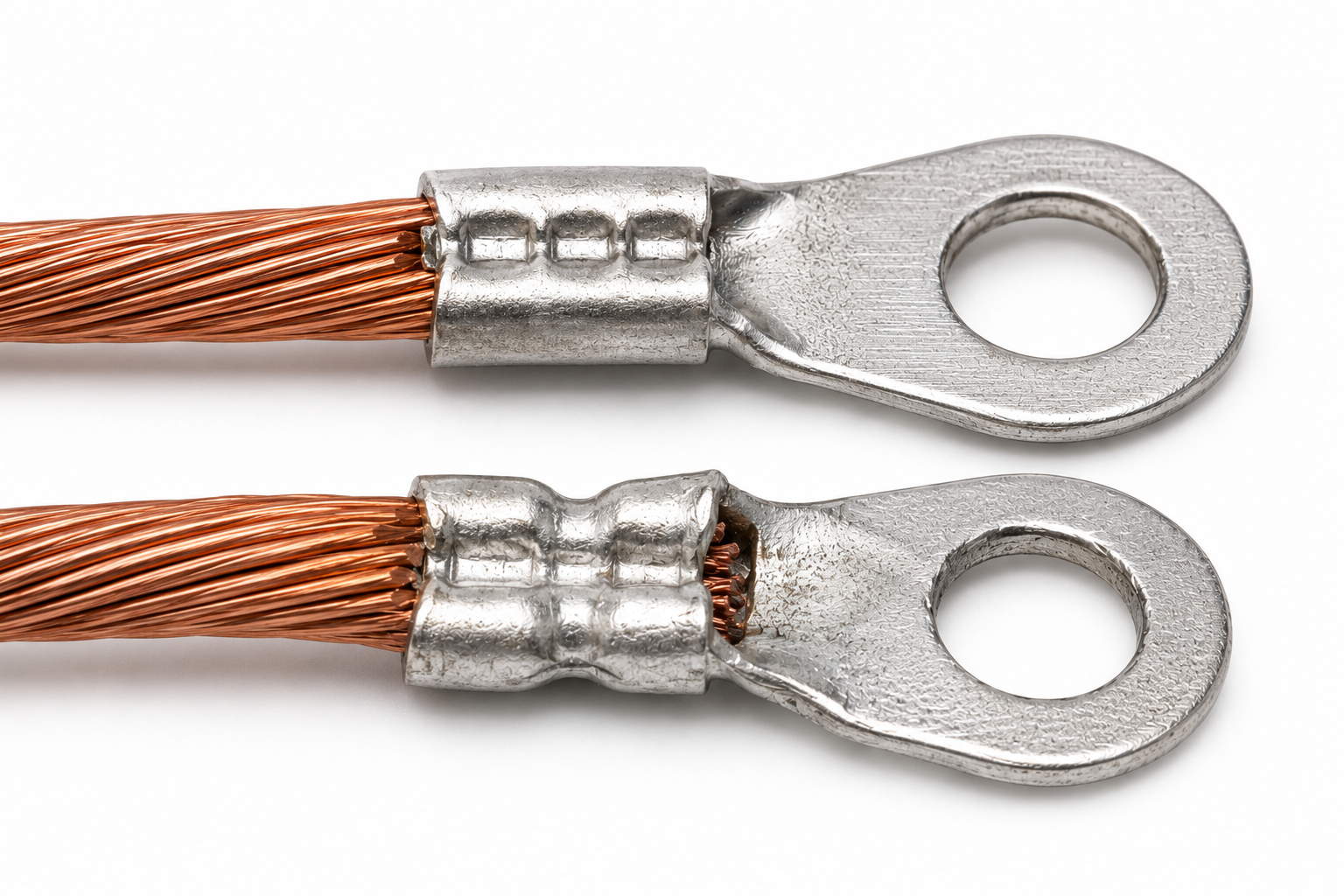
The crimp barrel is responsible for creating both the mechanical and electrical connection between the wire and the terminal. When properly manufactured, it compresses the conductor evenly to maximize contact area and create a secure connection that resists pull-out, vibration, and electrical resistance.
Lower-quality terminals often use thinner metal or inconsistent manufacturing tolerances. These variations can make it difficult to achieve a consistent crimp, even when using the correct crimping tool. Over time, the connection may loosen, increasing electrical resistance and generating heat.
A poor crimp doesn't always fail immediately. It may continue functioning for months before vibration, thermal expansion, and repeated electrical loading begin degrading the connection.
Inferior Conductive Materials
Not all electrical terminals use the same quality metal.
Premium terminals are typically manufactured from high-quality copper with durable tin plating to improve conductivity and resist corrosion. Lower-quality alternatives may use thinner metal or lower-grade alloys that increase electrical resistance and reduce long-term durability.
As resistance increases, so does heat.
Even a small amount of additional resistance concentrated at a single connection point can create localized heating that accelerates oxidation, weakens the connection, and contributes to premature failure. According to NFPA guidance, electrical connection points are among the most likely locations for overheating to occur because of loose or high-resistance connections.

Moisture Intrusion and Corrosion
Moisture is one of the most common causes of premature electrical terminal failure. Water, humidity, road salt, fertilizers, and industrial chemicals can gradually penetrate unsealed electrical connections. Once moisture reaches the conductor, corrosion begins to develop, increasing electrical resistance while weakening the mechanical integrity of the connection. As corrosion progresses, resistance continues to rise. This creates additional heat, which accelerates deterioration and can eventually lead to intermittent operation or complete failure. Heat shrink terminals help minimize this risk by creating a sealed barrier around the wire and crimp barrel, reducing the opportunity for moisture and contaminants to reach the conductor. |  |
Vibration and Mechanical Stress
Electrical systems installed on fleet vehicles, heavy equipment, agricultural machinery, trailers, and industrial equipment are constantly exposed to vibration. Over time, repeated movement places stress on electrical connections. If a terminal is poorly crimped or manufactured from thin materials, vibration can gradually loosen the connection or fatigue the conductor. Research presented through the NFPA Research Foundation notes that loose connections may develop over time because of vibration and thermal cycling, increasing connection resistance and localized heating that can eventually lead to failure. Quality terminals help reduce these risks by providing more consistent crimp performance and stronger mechanical retention. |  |
Improper Installation
Even the highest-quality electrical terminal cannot compensate for improper installation.
Using the wrong wire gauge, selecting an incorrect terminal size, failing to use the proper crimping tool, or applying insufficient crimp force can all create weak electrical connections.
Likewise, over-crimping can damage both the terminal and conductor, reducing the connection's mechanical strength.
Choosing a quality terminal is only one part of building a reliable electrical connection. Following proper installation practices is equally important for achieving long-term performance.
Key Takeaway: Electrical terminal failures are rarely caused by a single issue. More often, they result from a combination of poor materials, inconsistent manufacturing, environmental exposure, vibration, and improper installation. Investing in quality terminals and using the proper installation techniques helps create electrical connections that remain reliable long after the repair is complete.
How to Identify a Failing Electrical Terminal
Electrical terminal failures rarely occur without warning. In many cases, the connection begins to deteriorate long before it stops working completely. Recognizing the early warning signs can help prevent unexpected downtime, reduce troubleshooting time, and avoid damage to surrounding electrical components.
Whether you're performing routine maintenance or diagnosing an electrical issue, inspecting your terminal connections for these common signs of failure can help you identify problems before they become costly repairs.
Excessive Heat or Discoloration
Heat is one of the earliest indicators that an electrical connection is beginning to fail. As resistance increases within the connection, electrical energy that should be flowing through the conductor is instead converted into heat.
You may notice:
|  |
While excessive heat doesn't always indicate a defective terminal, it should never be ignored. In most cases, overheating is a symptom of increased resistance caused by a loose connection, corrosion, or an improperly crimped terminal.
Corrosion Around the Connection
Corrosion is one of the most common causes of electrical connection failure, particularly in environments exposed to moisture, humidity, road salt, fertilizers, or industrial chemicals.
Inspect the terminal and surrounding wire for:
|  |
As corrosion develops, it increases electrical resistance while reducing the amount of clean metal available to carry current. Left untreated, the connection may become intermittent or fail completely.
Loose or Intermittent Connections
Intermittent electrical problems are often among the most frustrating to diagnose because they may only occur while equipment is operating or vibrating.
Common Symptoms include:
- Equipment that works intermittently
- Flickering lights
- Sensors that lose communication
- Unexpected shutdowns
- Blown fuses without an obvious cause
A loose terminal may continue making partial electrical contact for weeks or months before failing completely.
Cracked or Damaged Insulation
The insulation surrounding a terminal helps protect the electrical connection from accidental contact and environmental contamination.
Inspect insulated and heat shrink terminals for:
| 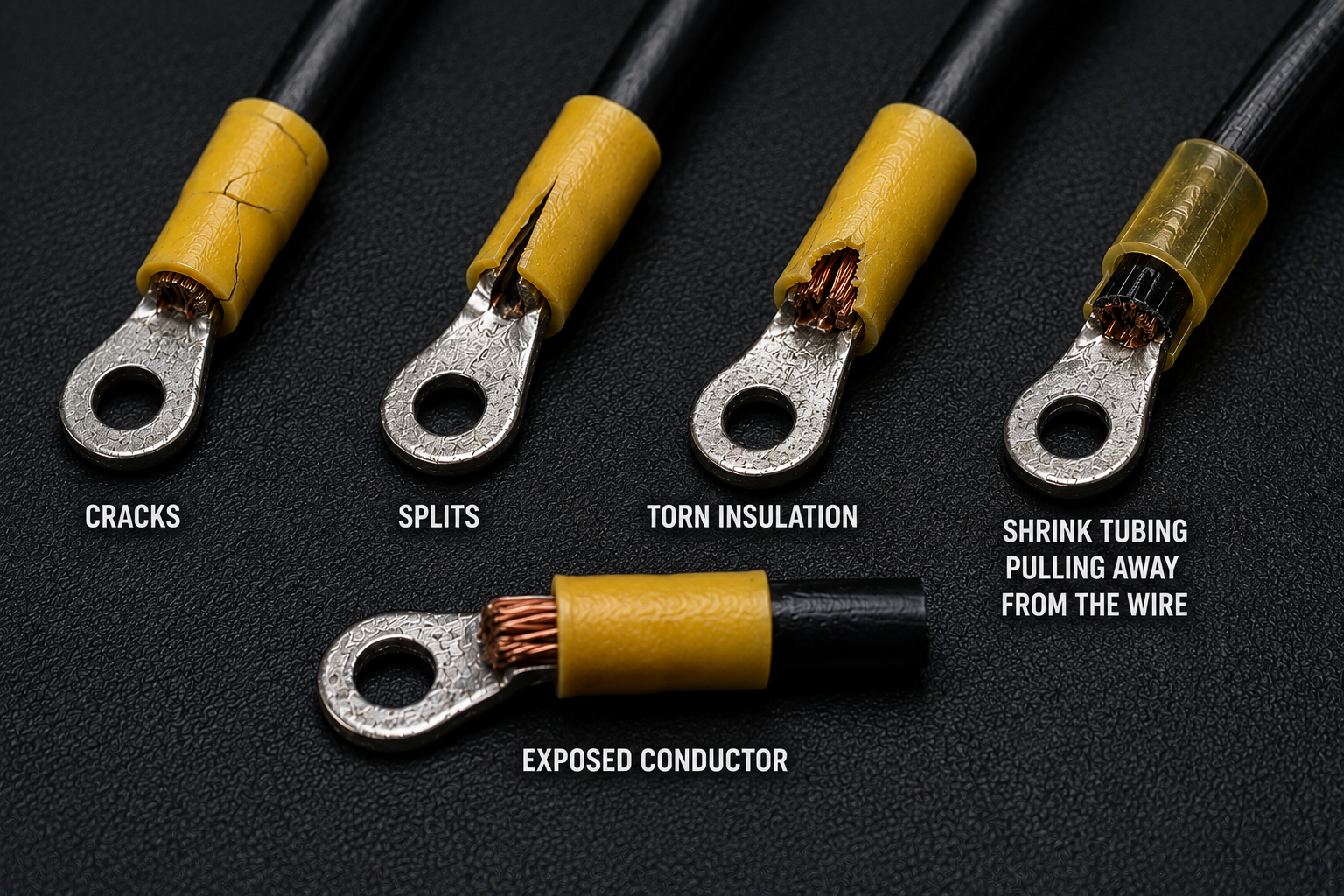 |
Damage to the insulation can allow moisture and contaminants to reach the crimp barrel, increasing the likelihood of corrosion and premature failure.
Wire Movement During Inspection
One of the simplest ways to evaluate a crimped terminal is through a careful visual and physical inspection.
With the electrical system safely de-energized, gently pull on the wire near the terminal. A properly crimped connection should remain secure with no noticeable movement between the conductor and the crimp barrel.
If the wire slides, rotates, or feels loose within the terminal, the connection should be replaced. Even slight movement can indicate a compromised crimp that may worsen over time due to vibration and thermal cycling.
Important: Always disconnect power and follow appropriate lockout/tagout procedures before inspecting or testing electrical connections.
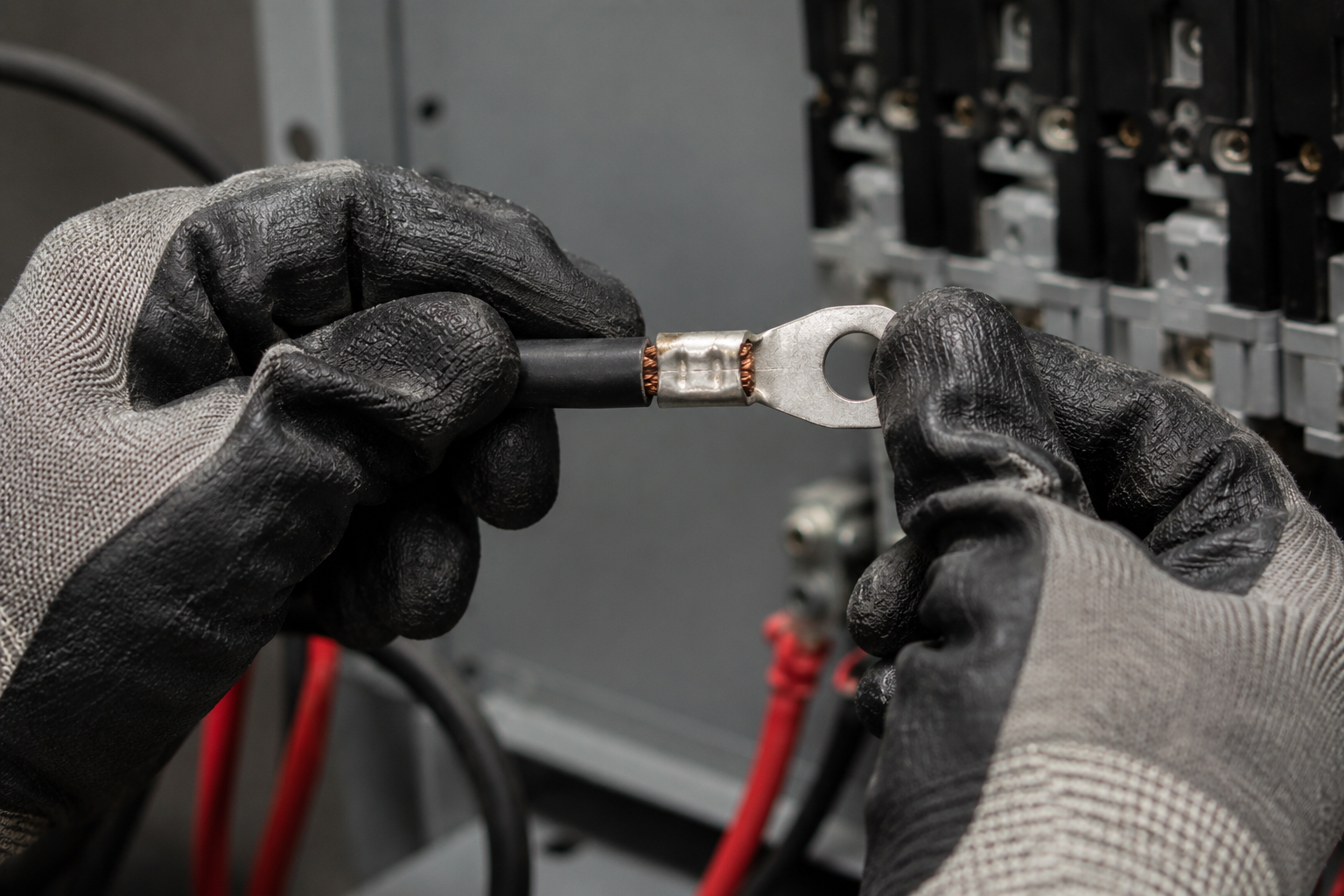
Key Takeaway: Electrical terminal failures rarely occur without warning. Excessive heat, corrosion, loose connections, damaged insulation, and wire movement are all indicators that a terminal should be inspected or replaced. Identifying these issues early can help prevent unexpected downtime, reduce repair costs, and improve the long-term reliability of your electrical system.
Now that you know how to recognize a failing electrical terminal, the next step is understanding what separates a high-quality terminal from one that's more likely to fail. While no electrical connection is immune to wear, choosing the right materials and construction from the beginning can significantly improve long-term reliability.
What to Look for When Choosing Electrical Terminals
By now, it's clear that the hidden cost of a low-quality electrical terminal isn't measured by its purchase price. It's measured by the time spent troubleshooting intermittent electrical issues, replacing failed connections, and repairing equipment that could have remained in service with a more reliable connection.
Fortunately, many of these problems can be avoided before a terminal is ever installed. Understanding what separates a quality electrical terminal from a lower-quality alternative makes it easier to choose products that are designed to perform reliably in the environments where they'll be used.
When evaluating electrical terminals, these are the features worth looking for.
High-Quality Conductive Materials
The foundation of any electrical terminal is the metal used to carry current. Quality terminals are commonly manufactured from copper because of its excellent electrical conductivity and mechanical strength. Many are also tin-plated to help resist corrosion while maintaining consistent electrical performance in demanding environments.
Lower-quality terminals may use thinner metal or lower-grade alloys that increase electrical resistance and reduce durability over time.
When evaluating a terminal, look for:
| 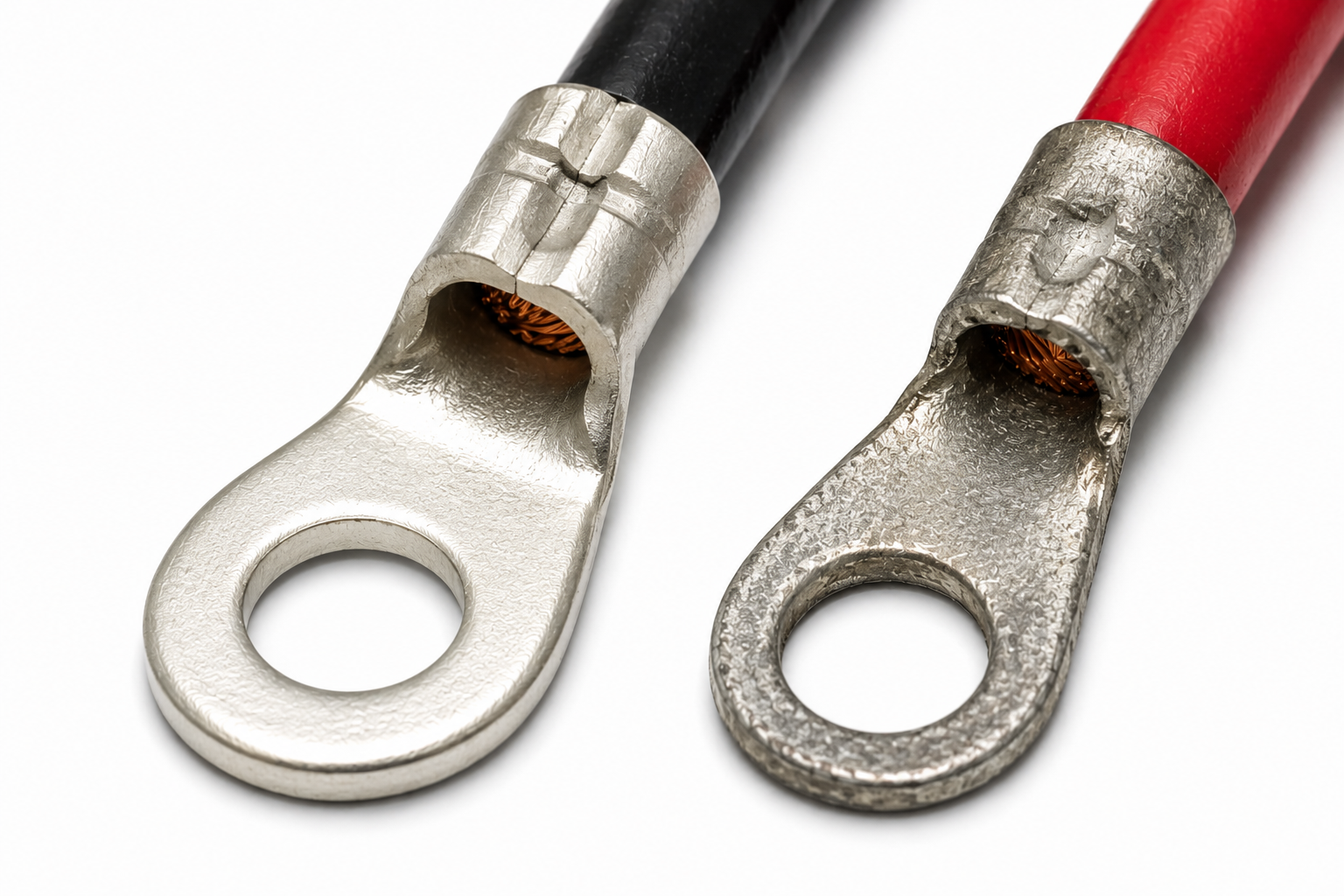 |
A well-manufactured terminal creates greater contact between the conductor and crimp barrel, helping reduce resistance while improving mechanical strength.
Durable Insulation
Insulation does more than provide color coding.
It protects the connection from accidental contact, supports the conductor during installation, and helps resist damage caused by vibration and everyday handling.
Depending on the application, quality terminals may feature:
- Vinyl insulation
- Nylon insulation
- Adhesive-lined heat shrink tubing
Heat shrink terminals provide the greatest level of environmental protection by sealing the connection against moisture and contaminants after installation.
Consistent Manufacturing Quality
Even small inconsistencies during manufacturing can affect how well a terminal performs. Poorly formed crimp barrels, uneven insulation thickness, rough edges, or inconsistent dimensions make it more difficult to achieve repeatable, reliable crimps.
Quality manufacturers maintain tighter production tolerances to help ensure every terminal performs consistently.
Although these differences may not be obvious when comparing products on the shelf, they often become apparent after years of service.

Environmental Protection
Consider the environment where the electrical connection will operate before selecting a terminal.
Applications exposed to moisture, chemicals, vibration, or extreme temperatures typically require greater protection than those located inside clean, climate-controlled electrical enclosures.
For harsh environments, consider:
| 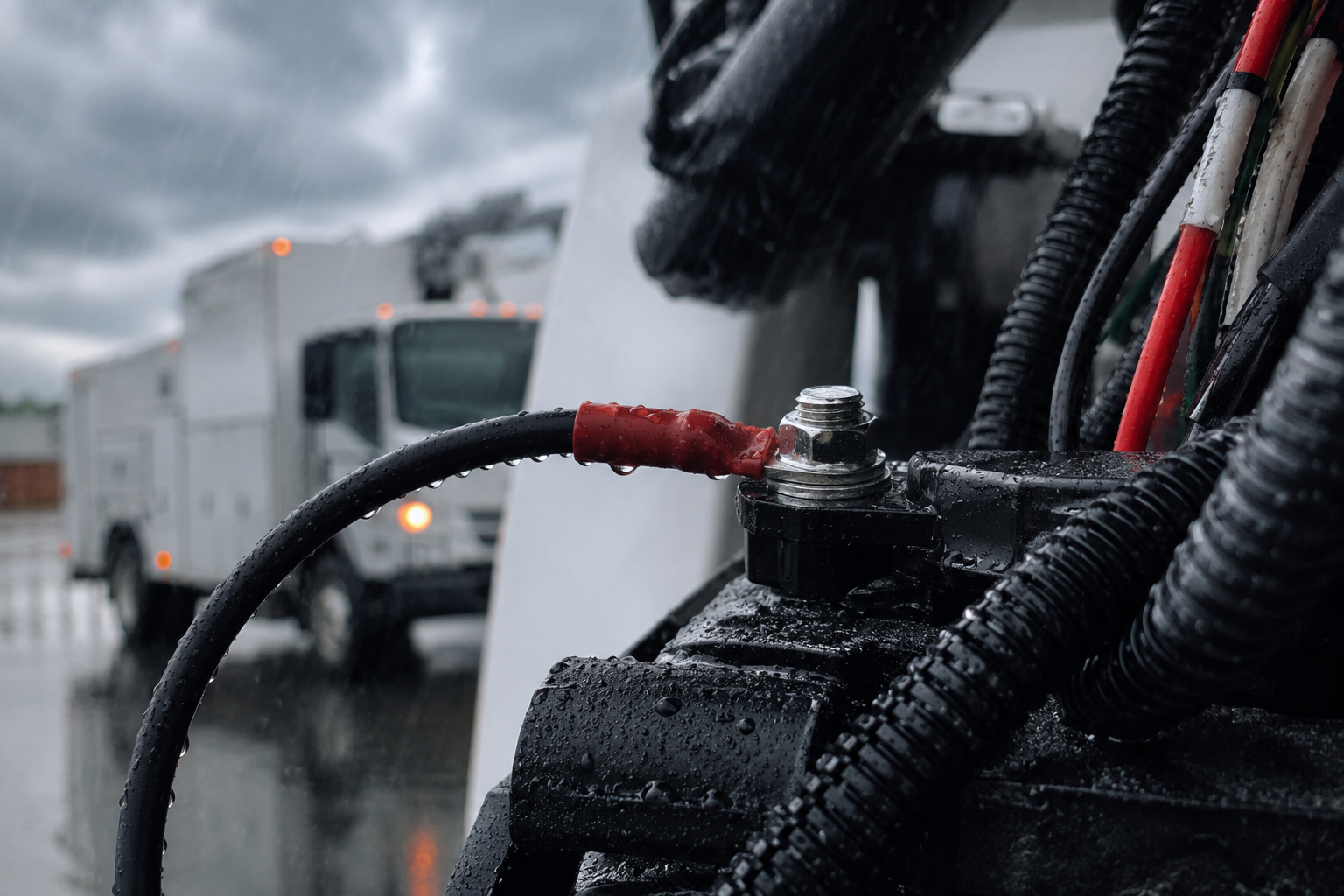 |
Choosing the appropriate level of protection can significantly extend the life of an electrical connection while reducing maintenance requirements.
Use the Right Installation Tools
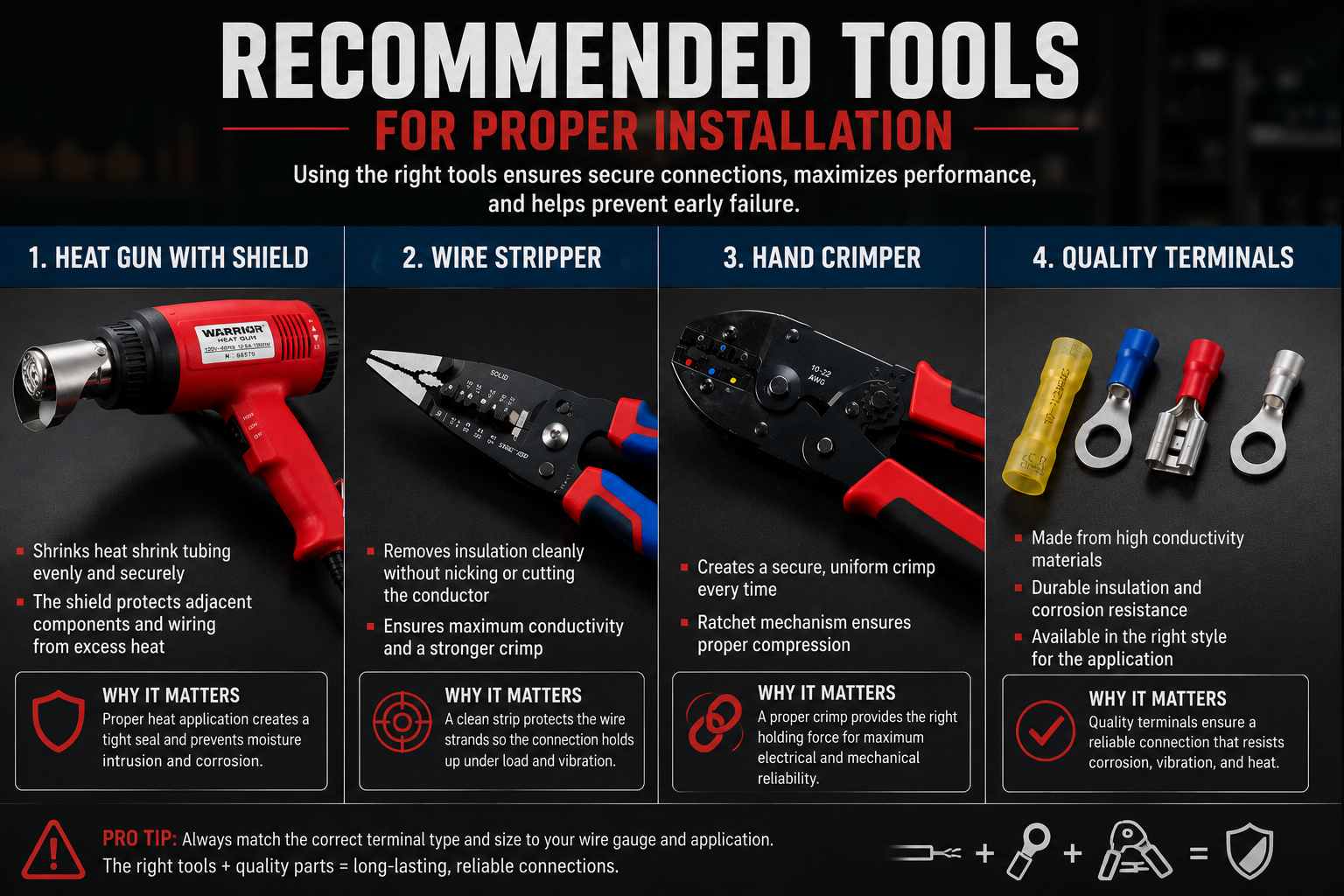
Even the highest-quality terminal can fail if it's installed using the wrong tools.
Using a crimping tool designed for the specific terminal type helps produce a secure mechanical and electrical connection. Likewise, heat shrink terminals should always be installed using a heat gun to ensure the tubing shrinks evenly and the adhesive fully seals around the wire.
Using pliers, side cutters, or other improvised tools often results in inconsistent crimps that reduce the reliability of the connection.
The National Electrical Manufacturers Association (NEMA) emphasizes that reliable electrical connections depend on using components that are installed according to the manufacturer's instructions and with compatible installation methods.

The best electrical terminal isn’t always the most expensive, it’s the one designed for the environment where it will be used.
Electrical terminals may seem like simple components, but they play a critical role in the reliability of every electrical connection. As we've covered throughout this article, not all terminals are manufactured to the same standards, and the differences in materials, insulation, construction, and environmental protection can have a significant impact on long-term performance.
Understanding what causes electrical terminals to fail, recognizing the early warning signs of a deteriorating connection, and knowing what to look for when selecting a quality terminal can help reduce unexpected downtime, improve electrical reliability, and minimize costly repairs. Choosing the right terminal for the operating environment, and installing it with the proper tools, helps ensure the connection performs as intended long after the installation is complete.
Ultimately, the hidden cost of a low-quality electrical terminal isn't reflected in its purchase price. It's measured by the maintenance, troubleshooting, and lost productivity that can result from a poor connection. By making informed decisions during product selection and installation, you can build electrical systems that are more reliable and built to last.
Don't Let a Small Connection Become a Big Problem
Browse Ram Products' selection of electrical terminals, heat shrink connectors, and installation tools to build dependable electrical connections from the start.